

Programs & Services

Four core support tracks centered on practical needs.

Our service model combines scholarships, widows welfare, faith-based grants, and discretionary support for urgent community needs.

Community empowerment workshop with women participating

Program Areas

Service pathways designed for measurable outcomes

Each program is structured for direct support, partner collaboration, and transparent reporting.

African students in a classroom supported by scholarship and education programs

Education Support

Annual scholarships, school support, and practical learning pathways for students.

  • Annual scholarships for high school and college students.
  • Book and supplies grants.
  • Mentorship and tutoring programs.
  • Partnership with institutions to provide scholarships and education support.
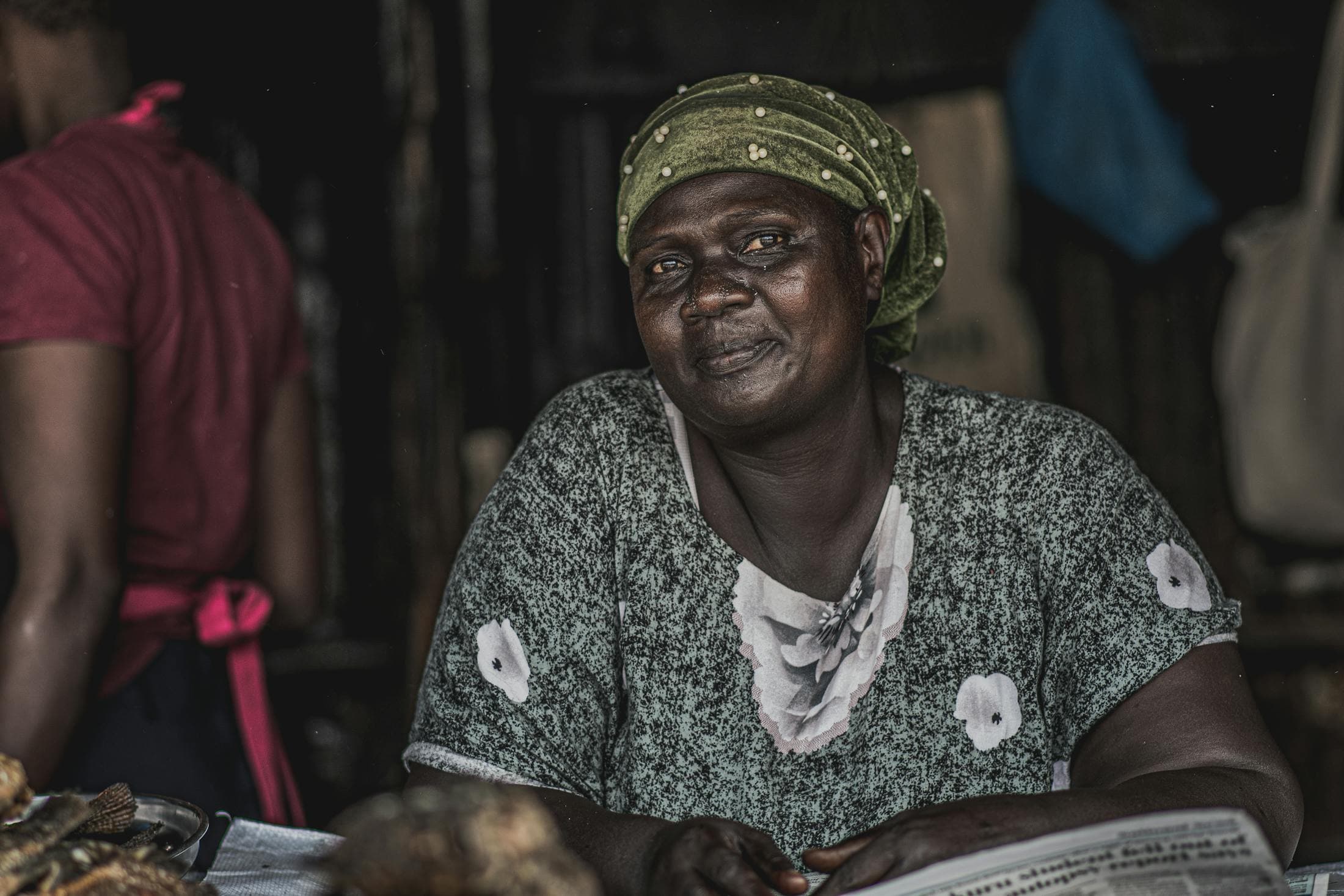
African woman entrepreneur at a market stall in a livelihoods support setting

Widows Empowerment Program

Consistent welfare, emotional care, and livelihood support for widows.

  • Monthly stipends or care packages.
  • Small business grants and training for widows.
  • Counseling and emotional support services.
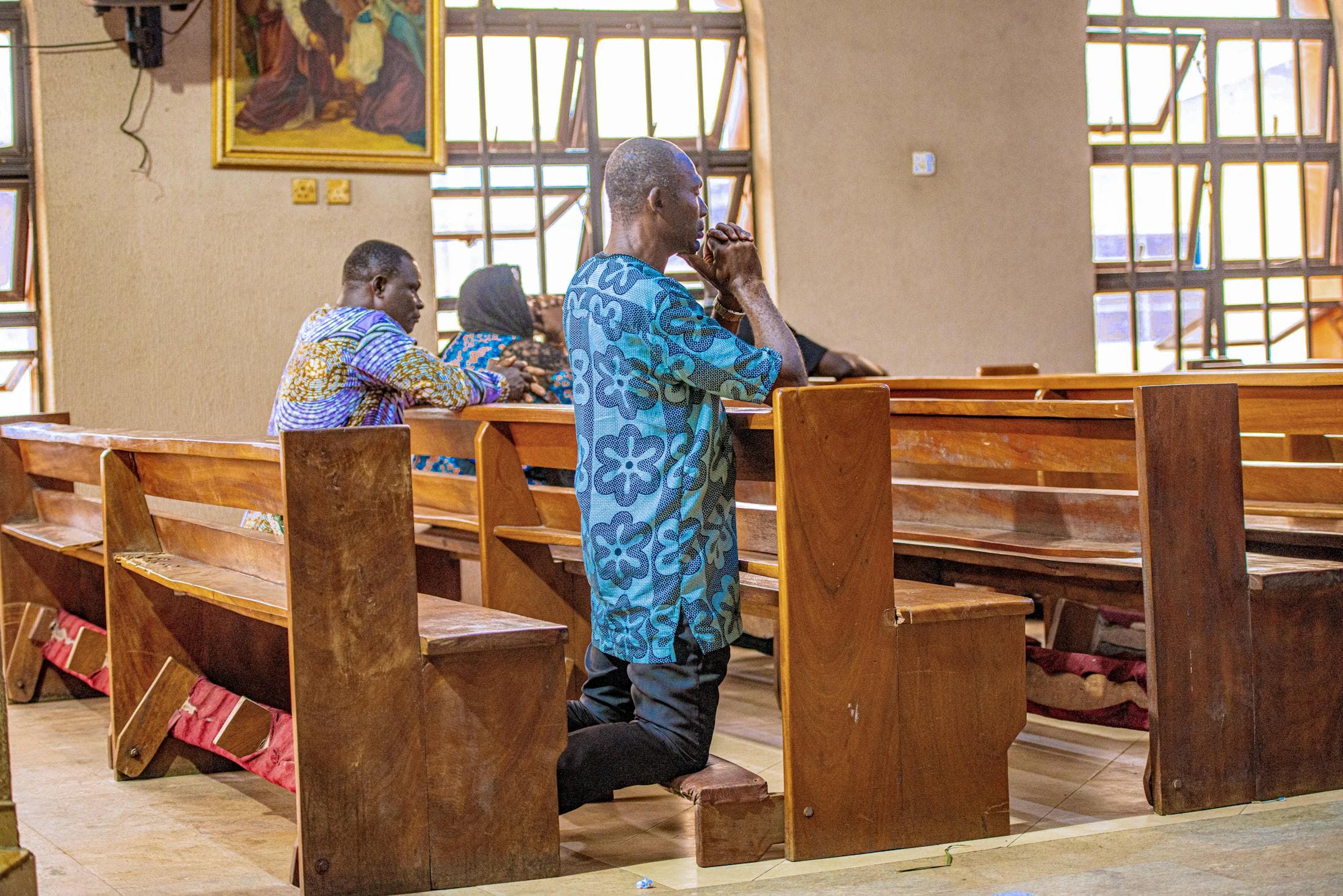
African worshippers in a church during faith-centered community support

Faith-Based Support

Support for churches and ministries driving community impact and outreach.

  • Donations to churches for community initiatives.
  • Funding for church building, repairs, or outreach programs.
  • Partnership in missions and rural ministry efforts.
  • Donations to individuals in need.
African women in a local market receiving practical community support

Other Support

Discretionary support for urgent and high-need community cases.

  • Discretionary donations to individuals and communities in need.
  • Health support.

Delivery Approach

Local context first. Accountability always.

We prioritize direct support and partnership-led implementation. Programs are shaped by local context and tracked with practical impact metrics.

Operating Principles

  • Needs-based program design and targeting.
  • Partnership with trusted local institutions.
  • Transparent budgeting and annual reviews.
  • Continuous improvement based on field feedback.